Artificial intelligence is changing how organizations recruit, onboard, develop and support their people. For HR teams, that creates a choice. HR can wait for IT or the executive team to decide how AI is used with people data, or it can step forward and lead. HR business partners (HRBPs) are well placed to lead. They sit between strategy and day-to-day people issues, they understand how work really gets done, and they are trusted to balance business needs with fairness and employee wellbeing. Those are the qualities organizations need as AI becomes part of everyday work.
This article explains where AI is already affecting HR, how the HRBP role is evolving, the skills worth building, and a practical plan to get started.
Where AI Is Already Changing HR Work
Many HR teams use AI without calling it that. Common areas include:
- Recruitment. Drafting job descriptions, screening applications, scheduling interviews and summarizing candidate information.
- Onboarding and employee support. Chatbots that answer routine questions about policies, leave and benefits.
- Learning and development. Personalized learning recommendations, content drafting and skills mapping.
- Performance and engagement. Summarizing feedback, analyzing survey comments and spotting patterns in engagement data.
- People analytics. Forecasting attrition, modeling workforce plans and identifying skill gaps.
- HR administration. Drafting policies, letters, communications and meeting summaries.
The benefits are real: less time on repetitive tasks and more time for conversations that need human judgment. But every one of these uses touches sensitive personal data and decisions that affect people’s careers, which is why HR needs a seat at the table.
The Evolving Role of the HR Business Partner
As AI takes on routine work, the HRBP role shifts toward four higher-value responsibilities.
- The translator. HRBPs help business leaders understand what AI can and cannot do for their teams, and help technical teams understand the human impact of what they build.
- The guardian. Someone has to ask the uncomfortable questions. Is this tool fair? What data does it use? Can we explain how it reaches its recommendations?
- The change leader. AI changes tasks, workflows and sometimes entire roles. HRBPs guide managers and employees through that change and address anxiety honestly.
- The skills strategist. HRBPs connect workforce plans to capability: which skills will matter more, which less, and how to build, hire or borrow what is missing.
Skills HR Business Partners Need
Effective HR business partner training for the AI era focuses on six capability areas.
1. AI literacy
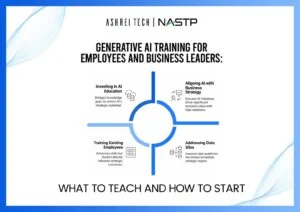
You do not need to be a technologist, but you should understand how generative AI works at a basic level, including its typical failure modes: inaccurate output, bias inherited from training data and a lack of transparency in how conclusions are reached. Our guide to generative AI training for employees and business leaders covers the fundamentals your whole organization will need.
2. Practical prompting and tool fluency
HRBPs who use AI themselves lead with credibility. Learn to use approved tools to draft communications, summarize documents, analyze survey comments and prepare for stakeholder meetings, and always review the output critically before using it.
3. Data literacy
AI relies on data, and so does HR. Understand where your people data comes from, how reliable it is and what it can legitimately be used to infer. Poor-quality data leads to poor-quality decisions, however sophisticated the tool.
4. Ethical judgment and bias awareness
Any AI used in hiring, promotion, pay or performance needs careful scrutiny. Learn to question vendors, ask for evidence of bias testing and make sure a human remains accountable for decisions that affect people.
5. Legal and compliance awareness
Data protection, employment law and emerging AI regulation vary by country and keep changing. HRBPs should know enough to spot risks early and involve legal and privacy colleagues at the right moment.
6. Change management and communication
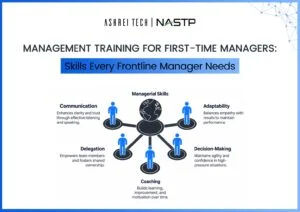
The technology is often the easy part. Winning trust, explaining what is changing and why, and supporting managers through new ways of working is where HRBPs add the most value. This also means coaching line managers, as our guide to management training for first-time managers explains.
Risks HR Must Manage
Leading with AI does not mean adopting it uncritically. Keep these risks in view:
- Bias and discrimination. Tools trained on historical data can repeat historical inequalities, especially in recruitment and performance assessment.
- Privacy and confidentiality. Employee records, health information and grievance details must never go into unapproved tools.
- Over-reliance. A tool’s recommendation is an input, not a verdict. Keep people accountable for final decisions.
- Lack of transparency. Employees deserve to know when AI is used in processes that affect them, and how to challenge outcomes.
- Inaccurate output. Generative AI can sound confident and still be wrong, so every policy draft, letter or summary needs human review.
- Loss of the human touch. Sensitive moments such as redundancy, bereavement and conflict need empathy that no tool can provide.
A Practical 30-Day Plan for HR Teams
Days 1 to 10: Learn and assess
- Build baseline AI literacy across the HR team with a short, practical workshop.
- List where AI is already used, officially or unofficially, in HR processes.
- Run a training needs analysis to find skill gaps in the team. Our free template maps each gap to a business goal, priority and success measure.
- Review your data protection and acceptable-use policies for gaps.
Days 11 to 20: Pilot and set guardrails
- Choose two or three low-risk, high-value use cases, such as drafting job adverts, summarizing survey comments or answering routine policy questions.
- Agree clear rules on approved tools, prohibited data and human review.
- Involve legal, IT and employee representatives early so concerns surface before launch, not after.
- Define success measures such as time saved, output quality and user confidence.
Days 21 to 30: Scale and share
- Review pilot results honestly, including what did not work.
- Share lessons and practical examples with managers and the wider organization.
- Publish a simple AI guidance page for employees covering what is allowed and where to ask questions.
- Plan the next stage of capability building for HR and for line managers.
How to Build Your Own AI Skills as an HRBP
You do not need a technical degree to become credible. A few habits go a long way:
- Use AI weekly on real work. Hands-on practice builds understanding faster than reading.
- Join peer networks. Share experiences with other HR professionals facing the same questions.
- Build relationships with IT, legal and data teams. Good AI governance is a team effort.
- Follow regulation. Track guidance from your professional body and regulators.
- Listen to managers’ questions. The concerns they bring reveal where support is most needed.
How AshreiTech Academy Can Help
AshreiTech Academy builds HR and AI capability for organizations across Pakistan, at your workplace or at our Karachi training center in the NASTP Building on Main Shahrah-e-Faisal. Relevant options include:
- HR Business Partnering in the Age of AI. A program for HR teams using AI in recruitment, analytics and workforce planning while protecting fairness.
- Intelligent Leader: Generative AI for Business. A masterclass for senior HR and business leaders on evaluating AI use cases and governing data and risk.
- HR Professional. A course for building core HR capability alongside your AI skills.
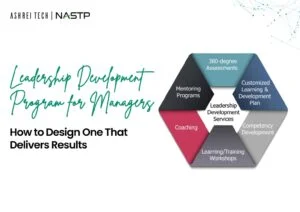
- Leadership and management programs. Support for the line managers HR partners with, from the guide to leadership development programs for managers.
Each customized program begins with a needs discussion, as explained in our guide to customized corporate training in Karachi. For open-enrollment options, see the corporate training calendar.
Final Thoughts
AI will not replace HR business partners who combine business insight, ethical judgment and strong relationships. It will change what good looks like. HRBPs who build AI literacy, challenge tools responsibly and help people through change will become the leaders their organizations rely on.
Start small: assess your skills, pilot one or two practical use cases and set clear guardrails. Then request a customized HR and AI training plan from AshreiTech Academy, or begin with our free Training Needs Analysis template.